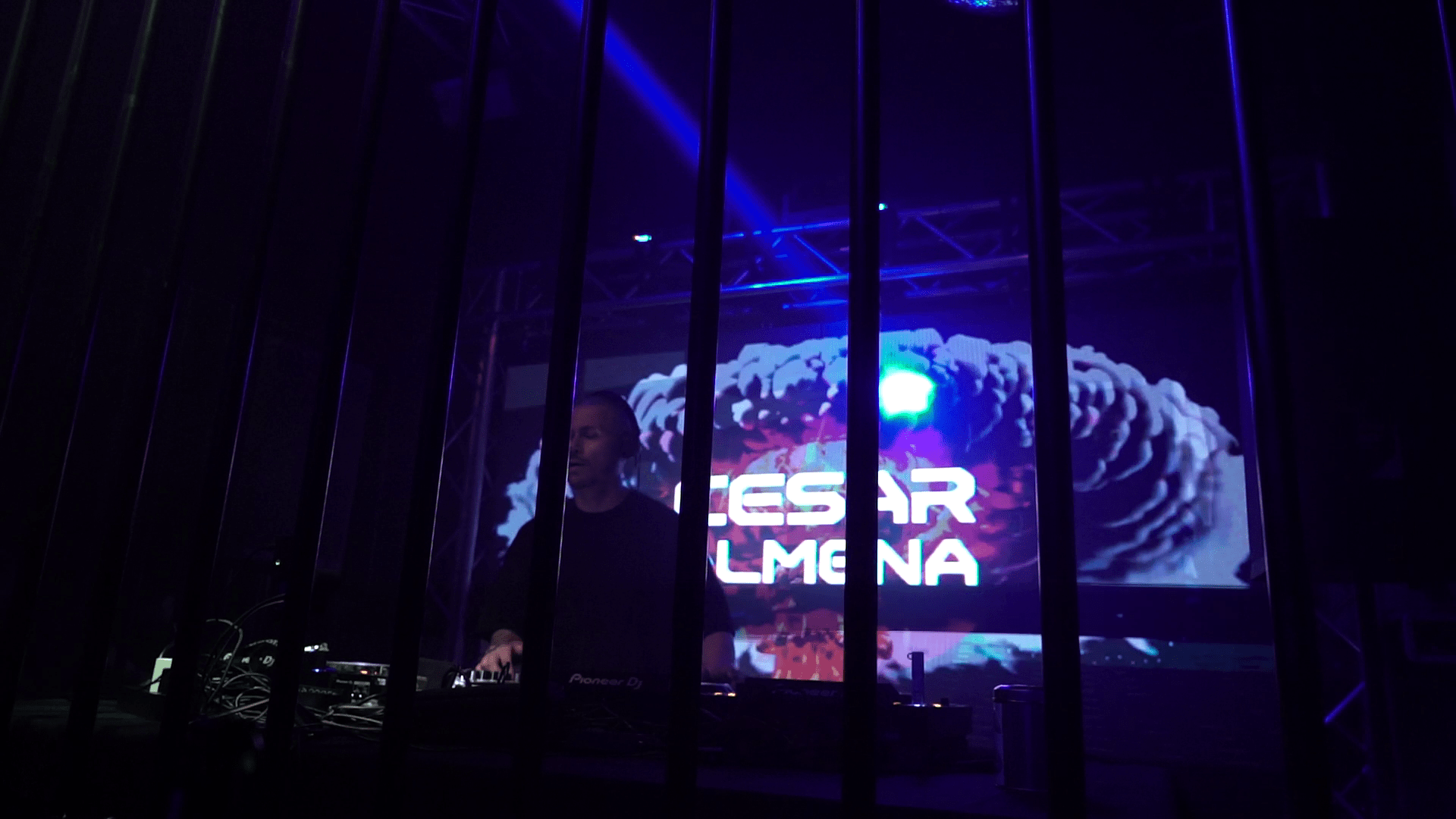
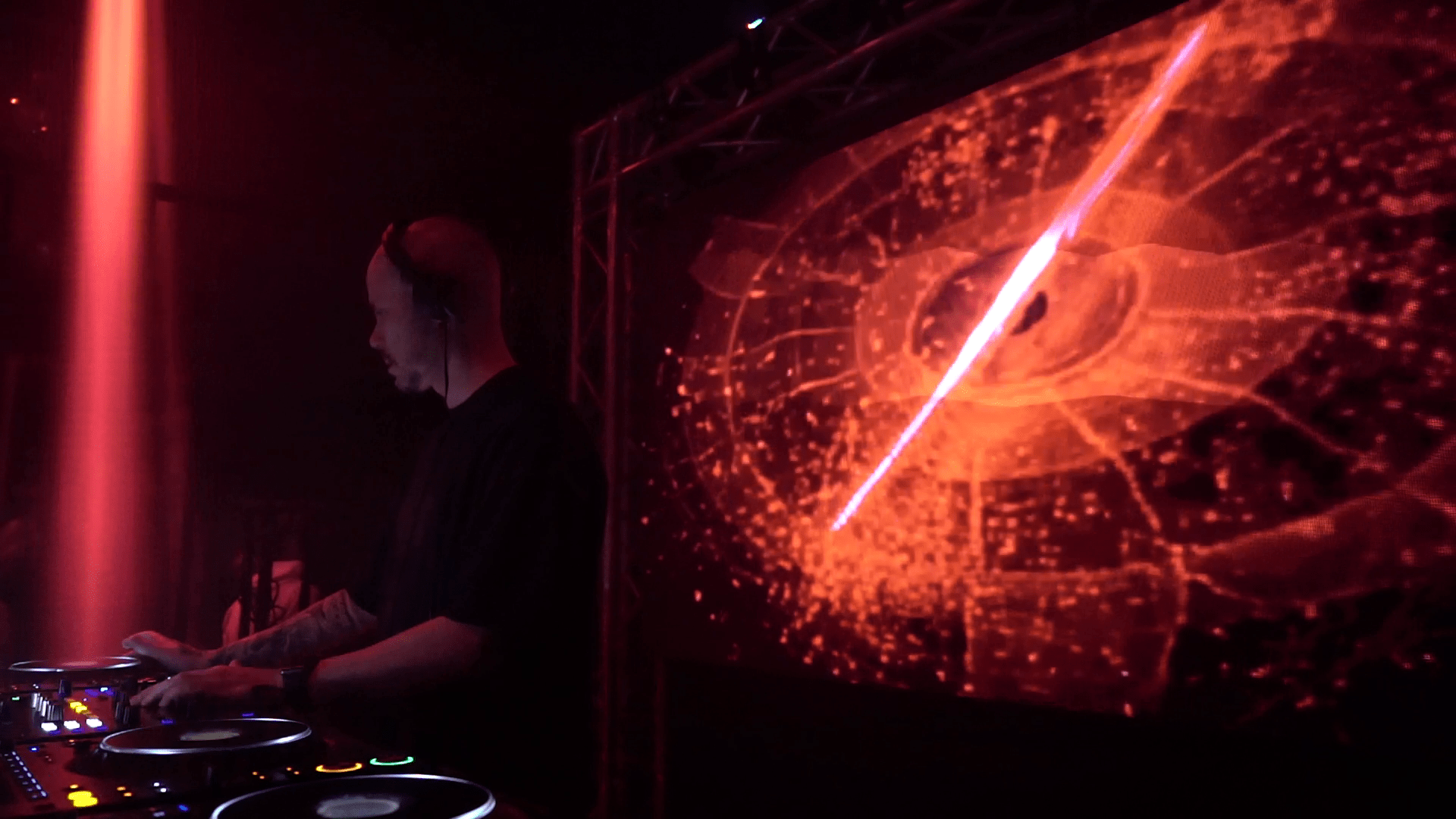
DJMirror Pulse and Resolume Arena solve different problems.

DJMirror Pulse and Resolume Arena solve different problems. Resolume Arena ($899) is the industry-standard VJ software for professional operators creating complex visual shows. DJMirror Pulse ($99 lifetime or $179/year) is built for solo DJs who want professional audio-reactive visuals and DMX lighting without operating a separate VJ rig. They can also work together: many performers use DJMirror as an automated reactive add-on inside their Resolume workflow.
If you’re searching for “DJMirror vs Resolume,” you’ve probably seen both tools mentioned in DJ forums, Reddit threads, or YouTube tutorials, and you’re wondering which one fits your show.
The honest answer most reviews skip is that these tools aren’t really competitors. They’re built for different operators. Resolume Arena is software for a dedicated VJ standing behind a second laptop. DJMirror Pulse is software for a solo DJ who wants visuals that just work, no second operator required.
This guide breaks down the real differences — pricing, workflow, DMX control, audio reactivity, learning curve — so you can pick the tool that fits how you actually perform.

At a glance: the side-by-side comparison
| DJMirror Pulse | Resolume Arena 7 | |
|---|---|---|
| Price (one time) | $99 (Perpetual License) | $899 |
| Price (annual) | $179 (Professional, commercial) | $219/year (renewal model) |
| Free trial | 14 days, full features, watermark output | 30 days, watermark output |
| Operating systems | Windows 10/11, macOS Apple Silicon, Android Control System | Windows, macOS |
| Built for | Solo DJs (no VJ needed) | Professional VJ operators |
| Setup time, first show | 10–20 minutes | Several hours |
| Audio-reactive visuals | Automatic (BPM, key, structure) | Manual + reactive parameters |
| DMX lighting control | Automatic, audio-reactive | Manual, cue-based (Art-Net, USB-DMX) |
| Song structure detection | Built-in (intro/build/drop/outro) | Not native |
| VJ loops library included | Yes, thousands | No, build/buy your own |
| Projection mapping | Basic | Advanced (Arena’s flagship feature) |
| Best for | Club DJs, mobile DJs, festival DJs | Pro VJs, large productions, mapping shows |
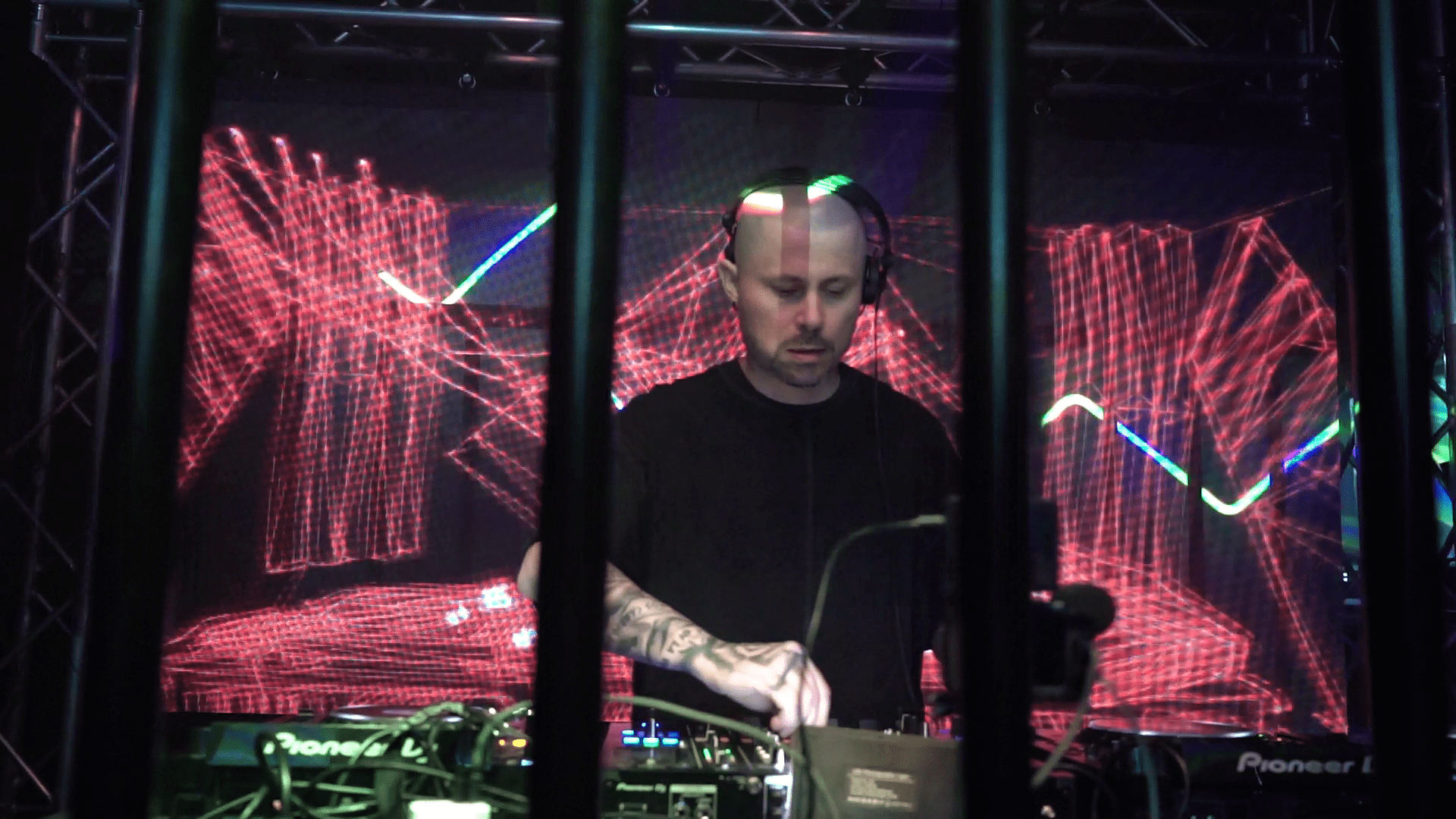
Try DJMirror Pulse free for 14 days — no credit card needed.

Who each tool is built for
When Resolume Arena wins
Resolume Arena has been the standard for professional VJs since 2002, and there’s a reason it costs $899: it does things no other tool does at that quality.
- Projection mapping on complex surfaces. If you’re projecting onto buildings, stage props, custom geometric installations, or warped LED setups, Arena’s mapping engine is unmatched in the consumer tier.
- Edge blending across multiple projectors. When one projector isn’t enough and you need to seamlessly blend two or three into a single image.
- SMPTE timecode and Ableton Link. For festival main stages where the lighting director, audio engineer and visual operator need frame-accurate sync.
- Live mixing with a dedicated VJ. Arena assumes a second human operator with hands on the controller, mixing layers in real time. That’s its design philosophy.
- Massive third-party ecosystem. Years of accumulated plugins, FFGL effects, content packs, and community resources.
If you’re being hired specifically as a VJ, or you’re producing a large-scale show with a dedicated visuals operator and budget for both software and operator time, Arena is the right tool.
When DJMirror Pulse wins
DJMirror Pulse is built for the DJ who is also their own visual operator — and doesn’t have time during a set to manually mix layers.
- Solo DJ performances. Club residencies, mobile gigs, weddings, corporate events, festival side-stages where you’re alone behind the decks.
- Automatic audio reactivity. BPM, musical key and song structure are detected in real time, and visuals respond automatically.
- Automatic DMX lighting. Stage lights synchronize to the music without programming cues for each track.
- Built-in VJ loops library. Thousands of audio-reactive videos and images included, no need to build a content library from scratch.
- Tight budgets. $99 lifetime vs Arena’s $899 (a 9× difference) for use cases that don’t need projection mapping.
If your job description is “DJ” and visuals are something you want to add without becoming a part-time VJ, DJMirror is the right tool.
When you might use both
This is the case most reviews don’t mention: many professional VJs run DJMirror Pulse alongside Resolume Arena. DJMirror handles the automatic DMX lighting (which Arena does manually via cue programming) while the VJ operates Resolume for visual mixing on the screens. The two tools complement rather than compete.
DMX lighting: the most underrated difference
This is where the two tools diverge most clearly, and where many DJs make a buying decision based on incomplete information.
Resolume Arena does support DMX natively. It can send and receive DMX signals via Art-Net or USB-DMX adapters, and it includes pixel mapping to drive LED panels frame by frame. This is genuinely powerful for VJs who know what they’re doing.
The catch is that Arena’s DMX is cue-based and manual. You program your fixtures, set up your scenes, and trigger them during the show — either manually or via timecode. For a structured show with a dedicated lighting operator, this is exactly what you want. For a DJ who is also mixing music live, it’s overhead that doesn’t scale.
DJMirror Pulse takes the opposite approach: DMX is automatic and audio-reactive. Lights sync to BPM, change colors based on detected musical key, and trigger strobes or movement when the software detects energy shifts and drops in the audio. There’s no cue programming. You connect your USB-DMX interface, map your fixtures (the database covers most common models from Chauvet, ADJ, Stairville, and major OEMs), and play your set.
The real question is which model fits how you work:
- Pre-programmed cues with a dedicated operator → Arena.
- Automatic reactivity with no operator → DJMirror.
Neither is “better” in the abstract. They’re answers to different questions.
Try DJMirror Pulse free for 14 days — no credit card needed.
Hear DJMirror’s automatic structure detection in action.

Audio reactivity and song structure detection
Both tools react to audio. The difference is in how and what they detect.
Resolume Arena can analyze audio to make any parameter bounce to the music. You assign an audio FFT band to a parameter (say, the bass band to a clip’s opacity), and the parameter will react in real time. It’s flexible, but every reactive behavior is something you configure manually for each clip and each show.
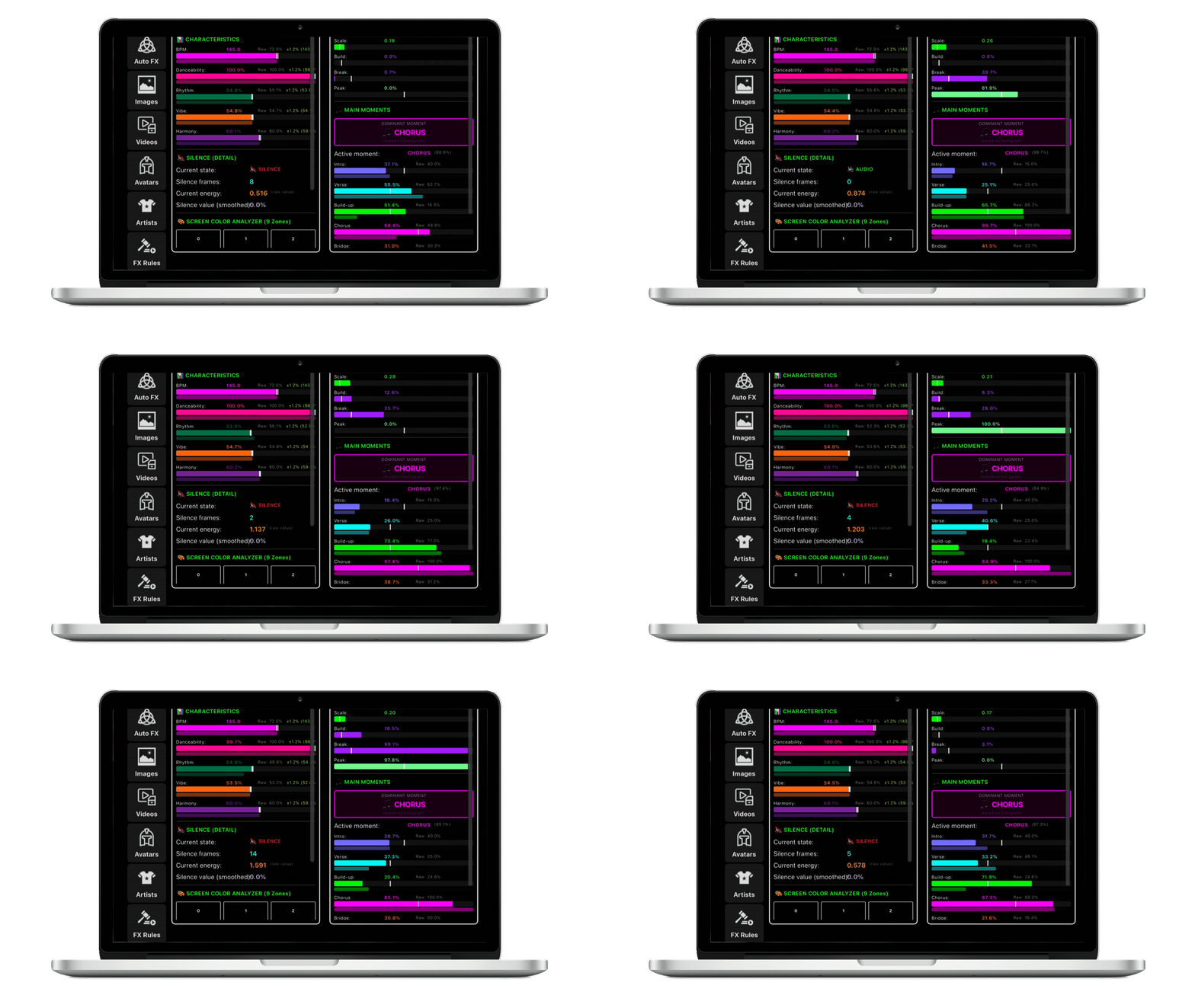
DJMirror Pulse detects song structure automatically — that is, it identifies in real time whether the current section is an intro, verse, build-up, drop, bridge or outro, and triggers different visual behaviors for each. This is the feature most DJs ask about and most VJ tools don’t include natively. Combined with automatic BPM and key detection, it means visuals adapt to the music’s musical shape, not just its loudness.
Learning curve and setup time
Resolume Arena is famously deep. The interface, the layer-based timeline, the FFGL plugins, the projection mapping engine — there’s a real learning investment, often measured in weeks of practice before a first paid gig.
DJMirror Pulse is intentionally narrow. It does fewer things, on purpose, so you can install it and use it the same day.
Realistic time-to-first-show, based on user reports:
- Resolume Arena: Several hours of focused setup for the first event, after several days of tutorial study. Confident live use after weeks of practice.
- DJMirror Pulse: 10–20 minutes for the first show after install. Most users report being live-ready the same day.
This isn’t a knock on Arena. Its complexity is a feature when you need its full power. It’s just a real cost when you don’t.
Total cost of ownership
The sticker price isn’t the full picture. Both tools have costs beyond the license.
Resolume Arena (first year):
- License: $899 (includes 1 year of updates) — or upgrade from Avenue for the price difference
- Optional renewal after year 1: $219/year (only if you want continued updates)
- Hardware: dedicated GPU recommended for projection mapping and 4K work
- Content: VJ loops typically purchased separately ($30–$200+ per pack)
- Operator time: assumes a person operating the software during shows
DJMirror Pulse (first year):
- License: $99 (Perpetual) or $179 (Professional with commercial use rights)
- Hardware: runs on modern laptops without dedicated GPU
- Content: thousands of VJ loops included
- Operator: none required, designed to run automatically
For a solo DJ playing 20–40 gigs a year, the difference between “$99 once” and “$899 + content + operator” is the difference between a tool that pays for itself in one weekend and one that requires a monetization plan.
For a professional VJ operating large shows, Arena’s price is invisible against the show budget — and its features are essential.
Verdict by DJ profile
“I’m a solo DJ playing clubs and mobile gigs”
→ DJMirror Pulse. It’s built for exactly this. Lifetime license, automatic DMX, no operator needed. Use the Professional plan ($179/year) if you need commercial use rights.
“I’m a professional VJ hired specifically for visuals”
→ Resolume Arena. Its projection mapping, edge blending, SMPTE sync and ecosystem are unmatched. The $899 price is normal for the work you’ll do with it.
“I’m a DJ who wants pro-level visuals at a festival main stage”
→ Both, layered. DJMirror handling automatic DMX lighting, Arena (or your dedicated VJ) handling the LED screens and projection. They’re complementary.
“I’m a Traktor user who wants reactive visuals”
→ DJMirror Pulse. The native Traktor integration is deeper than anything Arena offers, and it eliminates the audio routing setup that’s typically required for Resolume.
“I’m starting out, $899 is too much, but I want to go pro eventually”
→ Start with DJMirror. Learn audio-reactive visual workflows, build your DMX rig, get comfortable with running visuals live. If you eventually move into projection mapping or hire-out VJ work, add Arena to your stack.
Frequently Asked Questions
Can I use DJMirror Pulse alongside Resolume Arena?
Yes. Many professional VJs use DJMirror Pulse as an automated reactive add-on inside their Resolume workflow, especially for DMX lighting that Arena handles only via manual cue programming. The two tools complement rather than compete.
Is Resolume Arena worth $899 if I’m a solo DJ?
For most solo DJs, the answer is no. Resolume’s premium features — advanced projection mapping, SMPTE timecode, edge blending, multi-output workflows — are designed for dedicated VJ operators on larger productions. A solo DJ rarely uses them. DJMirror Pulse at $99 covers the practical needs (audio-reactive visuals, automatic DMX, Traktor integration) without the operator overhead.
Which software is easier to learn?
DJMirror Pulse. Most users are running their first show within 10–20 minutes of installing. Resolume Arena typically requires several days of tutorials and weeks of practice before fluent live use, due to its layer-based timeline workflow and the depth of its feature set.
Does Resolume Arena have automatic DMX control?
Resolume Arena has native DMX output via Art-Net and USB-DMX adapters, and it includes pixel mapping. However, DMX in Resolume is cue-based and manual: you program scenes in advance and trigger them during the show. DJMirror Pulse takes the opposite approach, with DMX synchronized automatically to BPM, key and detected song structure, with no programming required.
Can I switch from Resolume to DJMirror without losing my content?
Yes for the standard content. DJMirror Pulse uses standard video formats (MP4, MOV, MPEG) compatible with VJ libraries built for Resolume. However, Resolume composition files (.avc) are proprietary and cannot be opened directly in DJMirror — those would need to be rebuilt as native compositions if you want to preserve them.
Do I need a powerful computer for either tool?
Resolume Arena recommends a dedicated GPU, especially for projection mapping or 4K outputs. DJMirror Pulse runs on modern laptops without dedicated GPUs (Apple Silicon M1 onwards, or any Intel/AMD laptop from roughly 2020 onwards) for 1080p reactive visuals.
The bottom line
Buying VJ software is buying a workflow, not just features. Resolume Arena is built around a workflow where a dedicated operator mixes layers and triggers cues. DJMirror Pulse is built around a workflow where the DJ is alone and the software handles reactivity automatically.
Both workflows are valid. Both tools are well-built. The question is which one matches the person actually pressing the buttons.
Try DJMirror Pulse free for 14 days — Windows, macOS, Android. No credit card required. See if the automatic-reactivity workflow fits how you actually perform.
Sources and references
- Resolume official pricing: https://resolume.com/shop
- Resolume Arena 7 feature documentation: https://resolume.com
- DJMirror Pulse pricing: https://djmirror.com/pricing
- Software versions verified: Resolume 7.26.0 (April 2026), DJMirror Pulse 1.0.0.510 (April 2026)